A Designer's Take on Next Week Has Been Exhausting
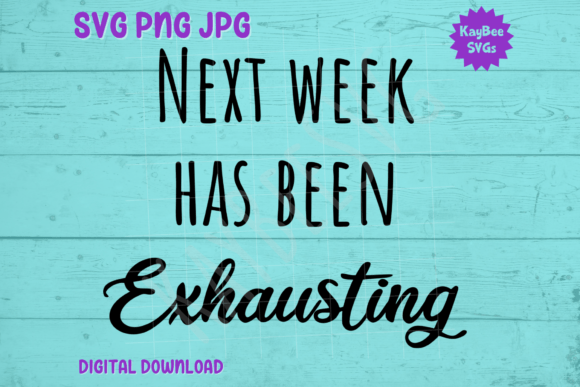
As a designer who spends more time with embroidery machines than people, I approach every new file with a critical eye. It’s not just about the artwork on screen; it’s about how it will live as stitches on fabric, how it will feel in a client’s hands, and whether it’s worth the time and thread. Today, I’m looking at Next Week Has Been Exhausting, a design that immediately tells a story.
The Immediate Mood and Personality
The first impression is one of relatable, wry humor. It’s not loud or slapstick; it’s a quiet, knowing sigh visually rendered. This isn’t a design that shouts. It murmurs, with a personality that’s perfect for the modern, slightly weary, yet resilient individual. The layout and typography feel contemporary and clean, which is excellent news for embroidery. Clarity translates directly to stitching clarity.
The theme is universal—we all have those weeks—but it’s expressed with a specific visual voice. This makes it a powerful personalized gift or a standout item for a craft business selling relatable, everyday-life products. It belongs naturally on casual apparel, comfortable home goods, and items meant for personal expression rather than formal branding.
Where This Design Thrives in Real Projects
Let’s talk application. I recently prepared a custom embroidered sweatshirt for a boutique client looking for “soft humor” items. Next Week Has Been Exhausting was a perfect contender. On a mid-weight cotton sweatshirt, this kind of text-based, mood-driven design becomes the entire personality of the garment. It’s more than decoration; it’s a statement.
For machine embroidery, its strength lies in versatility. Think cozy tote bags for the overworked bookworm, a subtle embroidered patch on a denim jacket, or a witty baby embroidery item on a little one’s bib (for the parents, obviously). It would shine on a kitchen towel for a frazzled home chef or as a holiday embroidery gift for a colleague who needs a laugh. In a small shop product lineup, it adds a layer of human connection that generic graphics can’t.
For digital embroidery file sellers, this design is a strong asset. It’s easy to visualize in printable mockups for t-shirts or caps, making it attractive for Etsy sellers and apparel decorators who need designs that sell the concept instantly.
Practical Considerations for Stitching Success
This is where a designer’s experience matters. While the visual layout is clean, execution is key. For text-based designs, stitch density and small details are paramount. You must test the design on scrap fabric first. Use the same fabric and weight you intend for the final product—a sweatshirt fleece behaves very differently than a canvas tote.
Check thread color contrast rigorously. On light fabrics, a classic black or navy would be striking. On dark fabric, consider a bright, crisp white or a soft pastel to ensure the message reads clearly. Always use proper stabilizer to prevent puckering, especially on stretchy fabric like t-shirt cotton.
Spaces to Approach with Care
Certain applications require extra attention. If you’re considering a small hoop size for a cap or a baby item, ensure the text remains legible at a reduced scale. Textured fabrics like some blankets can obscure clean lettering. Detailed corners in the letterforms need precise stitching to maintain their sharp, modern feel.
On curved surfaces like caps, the linear layout might need positioning adjustments to look balanced. And for products destined for frequent washing, such as tea towels or aprons, a robust fill stitch and high-quality thread will ensure longevity and maintain customer trust in your handmade product.
The Impact on Your Work and Your Customer
Using a design like this isn’t just a technical process; it’s a creative decision that affects perception. A well-embroidered Next Week Has Been Exhausting item boosts visual appeal through its clever relatability. It increases product value because it feels unique and thoughtfully chosen, not mass-produced.
For creative entrepreneurs, it enhances brand consistency if your shop vibe is witty, personal, or community-focused. Its giftability is high—it’s the kind of item you give to someone you truly understand. This emotional resonance drives buyer engagement. In a craft fair setting or an Etsy listing, it tells a story before the customer even asks.
Final Designer Notes Before You Hoop Up
My last bits of advice are the ones I follow myself. Always test it in black and white mockups to see how it reads stripped of color. Compare light and dark fabric backgrounds digitally before committing thread. Inspect small details in the embroidery file preview to anticipate any tricky stitch sequences.
Crucially, as this is a graphics file from a third-party shop, confirm licensing before selling finished items or digital products. Understand whether it’s cleared for personal and commercial projects. I cannot speak to the exact hoop size or machine compatibility from the provided description, so verifying those details with the seller, KayBee SVGs, is an essential step.
When stitched with care on the right product, Next Week Has Been Exhausting transforms from a digital graphic into a tangible piece of connection. It’s a small, stitched testament to shared experience, and that’s precisely what makes a finished product memorable.